The Worry Stone: A Pocket-Sized Tactile Ritual for Anxious Moments
By RedKnotr Editorial - 20/10/2026 - 0 comments
There is a reason anxious hands reach for something. Coins get rubbed, rings get spun, sleeve cuffs get worried soft. The impulse is ancient, and one of its most elegant answers fits in the palm of your hand: the worry stone — a smooth, polished gemstone with a shallow groove carved for exactly one thumb. Small, silent, and unnoticed in a pocket, it may be the most portable ritual object in the entire crystal tradition.
What a Worry Stone Is — and Where It Comes From
A worry stone (also called a thumb stone or palm stone) is typically an oval of polished crystal about an inch across, with a thumb-sized indentation worn or carved into one face. The practice is simple: hold the stone between thumb and forefinger and rub the groove in slow, repeated strokes.
As a folk practice, it has many independent origins. Tradition holds that ancient Greeks rubbed smooth sea-worn stones, and that several Native American communities passed worry stones between generations as objects of connection. Similar thumb-rubbing practices appear in Tibetan tradition and in Irish folklore. The convergence is telling — people everywhere discovered that the hand is a doorway to the nervous system.
How the Practice Works, Layer by Layer
Viewed through the four-layer model of crystal energy, the worry stone is fascinating because it activates every layer at once:
- The psychological layer. Rubbing a smooth groove creates repetitive, rhythmic tactile input that gives racing thoughts something to organize around. Many people find the motion interrupts anxious spirals within thirty to sixty seconds — not by suppressing the worry, but by giving the brain present-moment sensory data to process instead.
- The physical layer. Slow, gentle touch engages receptors in the skin that practitioners associate with calming signals — the same mechanism behind why a hand on the shoulder steadies someone. The repetitive motion also gives restless hands a quiet substitute for habits like nail-biting.
- The symbolic layer. Over time, the stone becomes a conditioned cue. Practitioners say the brain begins to associate it with calm, so simply reaching for it starts the shift before the rubbing even begins.
- The ritual layer. Paired with a breath pattern and a phrase, the stone turns an anxious moment into a practiced sequence — a skill you carry rather than a mood you wait out.
It is worth stating plainly: a worry stone is a grounding tool, not a treatment. It interrupts a moment; it does not replace professional care for anxiety disorders. Many people find it works best as a complement to, not a substitute for, the support they already have.
Choosing Your Stone
Because the benefit comes from the practice, the best stone is the one you will actually carry. That said, the symbolic layer gives each mineral its own flavor:
- Amethyst — the classic choice for overthinking minds; practitioners associate it with quiet and reflection.
- Rose quartz — chosen for moments of emotional rawness and soft self-talk.
- Black tourmaline — favored for grounding, especially in crowded or draining environments.
- Smoky quartz — for the scattered, spacey kind of stress that needs weight and gravity.
- Blue lace agate — traditionally rubbed before difficult conversations and presentations.
Texture matters more than lore. Cool stones add an extra jolt of presence; heavier ones feel more substantial; softer minerals develop a deeper polish with use. Hold a few and let your thumb vote.
A Sixty-Second Thumb-and-Breath Practice
- Place the stone in your non-dominant hand, groove facing your thumb. Wrap your fingers loosely over the top.
- Inhale through the nose for four counts as your thumb strokes forward; exhale for six as it returns. The longer exhale is the part that does the settling.
- Pick one honest phrase — "one moment at a time" works — and let it repeat with the strokes.
- After six breaths, pause. Notice shoulders, jaw, breath. Then decide whether to continue.
The whole sequence is silent, one-handed, and invisible under a desk or inside a pocket — which is precisely why the worry stone endures in meetings, commutes, and waiting rooms where flashier tools would announce themselves.
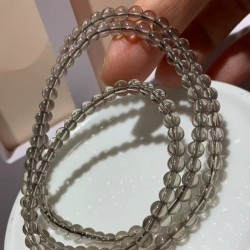
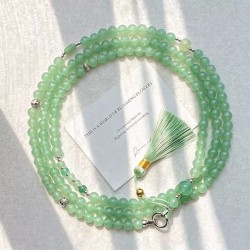
If you would like a worry stone or a palm-friendly companion piece of your own, the crystal jewelry collection at RedKnotr includes tactile, pocketable pieces chosen for exactly this kind of daily practice — and a pendant worn at the collarbone can serve as a discreet thumb-anchor of its own.
Frequently Asked Questions
How fast does a worry stone work?
Most people notice a shift within thirty to sixty seconds of slow rubbing paired with paced breathing. The effect is immediate but temporary — it interrupts the moment rather than resolving its cause.
Can children use worry stones?
Many practitioners say yes — the tactile feedback suits children who fidget, and therapists sometimes use them as a safe first self-soothing tool. Choose a durable stone and supervise with younger kids.
How do I cleanse and care for one?
Because it lives in your pocket, the stone picks up skin oils. Most quartz-family stones tolerate a rinse in lukewarm, mildly soapy water; delicate or water-soluble minerals like selenite should only be wiped with a dry cloth. Practitioners often refresh the stone's intention under moonlight.
What is the difference between a worry stone and a fidget toy?
Fidget toys occupy restless attention; worry stones aim it. The groove, the breath pattern, and the set phrase make the worry stone a mindfulness practice disguised as a pebble.
Tags: worry stone, thumb stone, tactile grounding, palm stone, crystal ritual
✧ Go deeper ✧
Explore more, shop the crystal, dive into the topic
Explore more articles
View all articles →- Your Crystal Is Not a Battery: Why Stones Stop Feeling Special, and How to Listen Again (October 2026) 19/10/2026
- The Piezo Perspective: What Quartz Science Can and Cannot Tell You About Crystal Energy (October 2026) 18/10/2026
- Raw Edge or Smooth Palm: A HAND Method for Choosing Between Raw Crystals and Tumbled Stones (October 2026) 17/10/2026
- Point, Sphere, Tower, Palm: Choosing a Crystal by Shape Instead of by Hype This October 2026 17/10/2026

This content is copyrighted by its original authors. In case of any infringement, please contact us for removal.
Comments
Write a comment