Carnelian
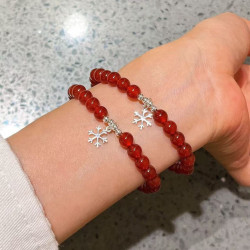
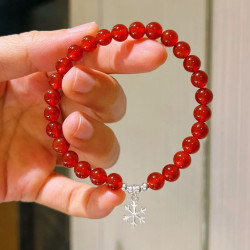
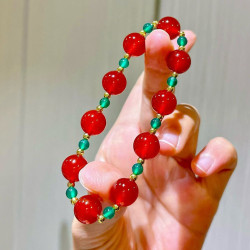
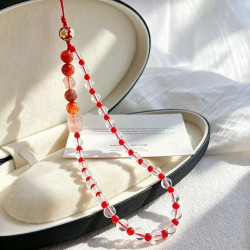
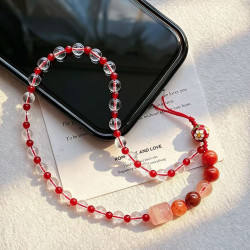
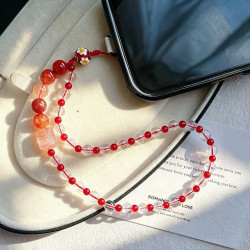
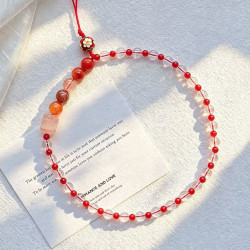
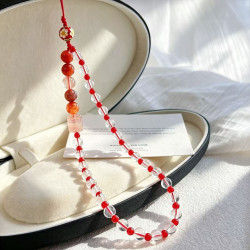
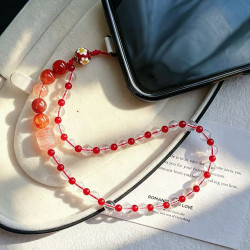
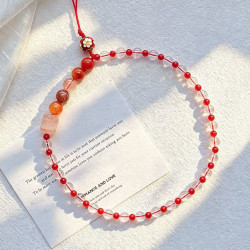
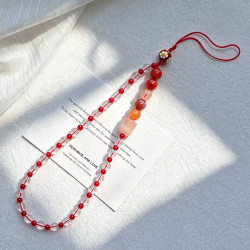
Carnelian is the orange-to-red variety of chalcedony — microcrystalline quartz that is tough rather than hard. At Mohs 6.5 to 7 it takes daily wear well, and its warm colour reads differently from any other stone in the collection. Below is our carnelian range.
What Carnelian Is
Carnelian is chalcedony — quartz crystallized in microscopic fibers rather than large crystals — colored by iron oxides. That structure is why it has no visible crystal faces and why it is tough: with no cleavage and a microcrystalline grain, it resists impact better than many harder stones. Mohs 6.5–7, specific gravity about 2.6, translucent to semi-opaque, waxy lustre.
It has been used since at least the Neolithic: carnelian beads appear in Egyptian tombs, in Indus Valley sites, and in Roman signet rings, where its waxy surface took a fine engraving. Much of the trade material is heat-treated to deepen the red — this is accepted practice and has been for thousands of years.
Colour and Grading
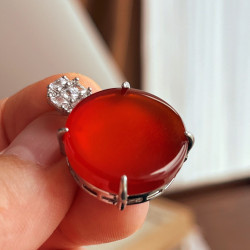
Carnelian ranges from pale peach-orange to deep brick red. The most valued is a clear, saturated orange-red with even colour and good translucency; heavily included or muddy material is common and cheaper. "Sard" is the darker, harder brownish-red end of the same range. If the colour is unnaturally even and intensely red, suspect dye — natural carnelian usually shows some banding or tonal variation.
Meaning and Tradition
Carnelian is traditionally a stone of action and appetite for life — it is associated with the sacral chakra, with courage in speech, and with the sort of confidence that gets things started. In Islamic tradition it is a favoured stone for rings; in Roman tradition it was used for seals and signets. In astrology it is most often given to Leo, Virgo and Aries.
Choosing a Form
- Bracelet — the most natural form; carnelian's toughness suits the wrist.
- Necklace — graded strands look best in the deeper red range.
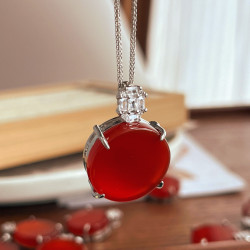
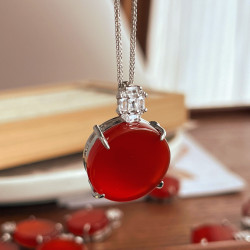
- Pendant — for a single large cabochon.
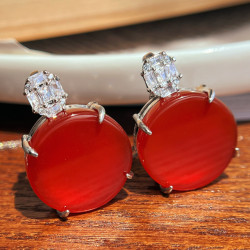
- Earrings — small drops and hoops.
Care
Warm water and mild soap are fine. Avoid prolonged sun exposure, which can fade the colour, and avoid strong household chemicals. Carnelian is tougher than its Mohs number suggests, but it can still scratch against quartz or corundum.









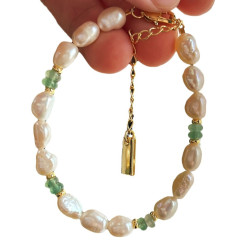
Natural Pearl Bracelet
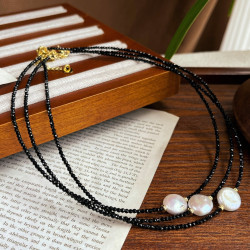

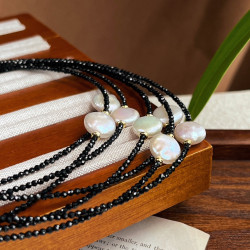


Natural Pearl Spinel Black Spinel Necklace


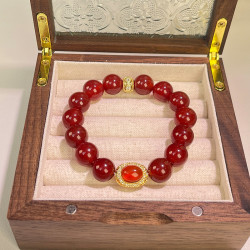
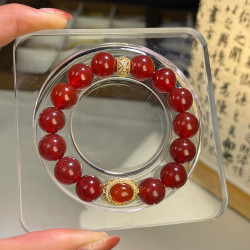





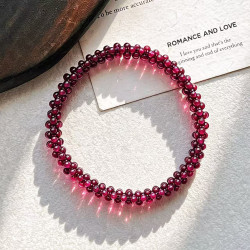
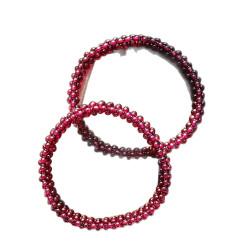
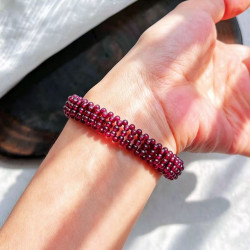
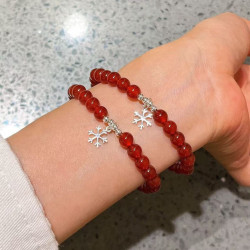
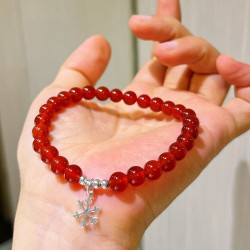
Premium Handcrafted Garnet Bracelet