Root First: A BASE Check for the Days You Feel Scattered and Unsafe (October 2026)
By RedKnotr Editorial - 16/10/2026 - 0 comments
“I feel ungrounded” is one of the most common sentences in modern wellness — and one of the least examined. In chakra language it points to Muladhara, the root centre. But the feeling itself usually has very ordinary contents: a deadline, a move, a bill, a body that has not slept. One useful way to work with the root chakra is to take the metaphor seriously and the panic lightly — checking the actual ground before treating the symbol.
Muladhara in One Paragraph
Muladhara translates roughly as “root support.” In the modern seven-centre system it is the first chakra, located at the base of the spine, associated with the element of earth and the colour red. Practitioners connect it with safety, belonging, home, the body's basic rhythms and — notably — money. Its seed sound is traditionally LAM, and its symbol is a four-petalled lotus enclosing a square: a small, stable room at the bottom of everything. When the root is described as balanced, the words used are grounded, resourced, present; when it is described as struggling, the words are scattered, hypervigilant, restless, worried about survival.
What “Ungrounded” Usually Means
Tradition holds that root-centre strain shows up as fear-based thinking, feeling “too much in the head,” difficulty settling at home, or anxiety around money and housing. Many people notice it after moving house, changing jobs, or during late-autumn weeks when the light drops and the to-do list does not. None of this is a diagnosis — the chakra is a spiritual concept, not an anatomical organ — but as a vocabulary it is surprisingly precise: it points at the actual things that make a life feel unsteady, and invites you to look at them one by one.
The BASE Check, Down to Earth
One honest framework for that look is a four-step check that modern grounded chakra writing summarises as BASE:
- B — Body. Start with sleep, food, hydration, movement and pain. Meet one immediate physical need before assigning any symbolic meaning to the feeling.
- A — Actual safety. Review housing, transport, finances and relationships concretely. Grounding is not a substitute for a safety plan, practical assistance or care.
- S — Support. Name who and what steadies you: a person, a routine, a place, a skill you actually have.
- E — Experiment. Choose one small stabilising action you can repeat — prepare tomorrow's breakfast, review one bill, tidy one corner, keep one bedtime for a week.
The order matters. A purely symbolic reading of rent anxiety suggests more meditation; the grounded response checks the amount, the deadline and the next available action — then breathes, because a calmer nervous system genuinely does plan better.
Four Grounding Practices That Hold
Orient to the room
Feel both feet on the floor and name five things you can see, four you can touch, three you can hear. Let the breath slow and lengthen on the exhale. This is not magic; it is attention returning from the imagined future to the actual present — which is the only place planning can happen.
Build one anchor routine
Pick a single daily anchor — the same morning drink, a ten-minute walk, lights out at the same time — and let it be boring. Practitioners say the root responds to repetition; reliability itself is the message, far more than intensity.
Use red and stone as cues
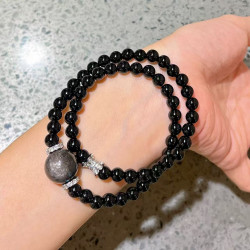
Stones like red jasper, garnet and black tourmaline are traditionally linked to the root centre. Whatever one believes about their action, a small red stone on the desk or worn at the wrist works well as a tactile cue — many people find that touching it during a stressful moment reminds the body to put its feet down, quite literally.
Tend the money calmly
Because the root governs material security in this system, a calm weekly money check-in — same day, same ten minutes, regulated breath before any banking app opens — is one of the most root-honest rituals there is. The point is not the spreadsheet; it is proving to yourself that looking is survivable.
When Grounding Is Not the Answer
Grounding helps you stay present enough to respond; it should not be used to silence grief, anger or fear. Sometimes the stable action is to feel an emotion with support, to ask for help, or to change a situation rather than settle into it. If distress is persistent or overwhelming, that is a matter for professional care, not a chakra practice — and choosing that care is itself a grounded act.
Small physical anchors can hold a practice together: a red-toned stone, a simple pendant, a ring worn through a hard month. The pieces at redknotr.com are chosen with exactly this everyday, honest use in mind.
Frequently Asked Questions
What does the root chakra govern in the seven-centre system?
Tradition assigns it the foundations: safety, belonging, home, the body, and material security including money. It is read as the base the other centres rest on.
What are the usual signs of a struggling root centre?
Practitioners list feeling scattered or spacey, fear-based thinking, restless sleep, difficulty keeping routines, and persistent money or home anxiety — with the caveat that these are reflection points, not diagnoses.
Do I have to walk barefoot to ground myself?
No. Barefoot contact with grass is one tradition's practice, but orienting exercises, steady routines and calm practical planning work too — and shoes are the safer choice in many settings.
Which stones are linked to the root chakra?
Red jasper, garnet, black tourmaline and hematite are the usual traditional picks — used as tactile cues for steadiness rather than as treatments for anything.
Tags: root chakra, grounding, chakra healing, muladhara
Related Pieces
View All →


You May Also Like
All Articles →



This content is copyrighted by its original authors. In case of any infringement, please contact us for removal.
Comments
Write a comment