Feel Fully, Hold Lightly: A Working Sacral Chakra Practice for November 2026
By RedKnotr Editorial - 26/10/2026 - 0 comments
Of the seven chakras, the second one may have the most deceptively simple teaching. Svadhisthana, the sacral centre, sits in the lower belly about two inches below the navel, and the tradition sums up its whole curriculum in one line: feel fully, but do not cling. As the year turns inward in November, that instruction is worth more than any number of techniques.
Chakra work is a body-centred practice, not a medical one. Nothing here diagnoses or treats anything; it is a map for noticing where feeling has turned into gripping, and a set of gentle practices, held by tradition, that many people find restore a sense of flow.
What the Sacral Chakra Carries
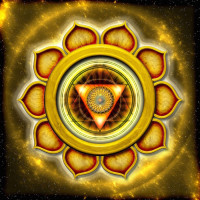
The Sanskrit name Svadhisthana is usually translated as "one's own abode", the seat of the self beneath the constructed identity. Its element is water, its colour orange, its seed sound VAM. The symbol is a six-petalled lotus holding a crescent moon, and the imagery is deliberate: water does not hold a fixed shape, it flows around obstacles and changes form while remaining itself. A healthy sacral centre, practitioners say, has exactly those qualities, adaptability, the capacity to be moved without being swept away.
This is the centre that tradition associates with emotion, creativity, pleasure and intimacy. Not indulgence, capacity: the ability to feel something cleanly and let it pass, and to make or enjoy something without an agenda.
Blocked and Overactive: Two Sides of the Same Water
Like water, this centre shows trouble in two directions, and honest practice names both.
Signs of a Blocked Sacral Centre
Tradition links a depleted or blocked sacral centre with emotional numbness, creative dryness, rigidity, and difficulty enjoying things that used to be enjoyable. The body-level signs people report are tension through the hips and lower back. The psychological signature is a chronic sense of "dryness", life experienced at one remove.
Signs of an Overactive One
The opposite pole is flooding: mood swings, dependence on external validation, pleasure chased past the point of nourishment. Water blocked becomes stagnant; water uncontained becomes a flood. The work in both cases is the same, restoring flow, not pushing more feeling through.
A November Practice: Seven Days, Feel and Release
This is a one-week cycle you can repeat as often as it serves you.
Day One and Two: Move the Water
The sacral centre responds to fluid, rhythmic movement rather than stillness. Hip circles, gentle swaying, or a few unhurried rounds of goddess pose and bound angle pose, classic hip-openers in yoga practice. Move slowly enough that sensation leads; never force depth. Ten minutes is plenty.
Day Three and Four: Sound and Breath
Chant or sound VAM, the seed syllable, while resting one hand on the lower belly, or simply breathe in a slow circle into the abdomen, softening on every exhale. Tradition holds that sound vibrates and settles the region it is directed toward; whether or not one takes the mechanism literally, the practice reliably returns attention to the body.
Day Five: The Feel-and-Release Journal
Write for ten minutes without editing: what did I feel today that I did not let myself finish feeling? The instruction is not to fix or explain, only to sit with the feeling long enough to actually feel it. Emotion, the teaching goes, is energy in motion; the sacral centre's health depends on allowing the motion.
Day Six: Pleasure Without Guilt, on Purpose
Choose one small pleasure and take it deliberately, a long bath, music in a dark room, a slow meal, a walk beside water. The point is consent and attention: pleasure taken on purpose, without the background hum of guilt, is the exact skill this centre is said to govern.
Day Seven: A Stone in the Pocket
Many practitioners work with carnelian, orange calcite or moonstone as tactile anchors for sacral practice, carried through the day or held during the week's sitting. The stones do not do the work; they are reminders that you have chosen it. If you would like a piece meant for daily wear, the carnelian and moonstone pieces at https://www.redknotr.com/ are made to travel with you.
Frequently Asked Questions
Where exactly is the sacral chakra located?
Tradition places it in the lower abdomen, roughly two inches below the navel, radiating through the pelvis and hips. In practice, attention rather than anatomy is what matters: rest your awareness in the lower belly and let the breath move there.
What is the quickest daily practice for this centre?
Two minutes of circular breathing into the lower abdomen with one hand resting there, morning or evening. It is small enough to survive a busy day, and the consistency matters more than the duration.
Which crystals are traditionally linked to the sacral chakra?
Carnelian, orange calcite and moonstone are the classics, chosen for their colour and their long association with creativity and emotional flow in healing traditions. Use them as cues and companions rather than cures.
Can chakra work replace therapy or medical care?
No. Chakra practice is a reflective, body-based tradition that many people find supportive, and it sits comfortably alongside professional care. For persistent numbness, distress or trauma, a qualified therapist is the right first stop.
Tags: sacral chakra, svadhisthana, chakra practice, carnelian, creativity
Related Pieces
View All →
You May Also Like
All Articles →

This content is copyrighted by its original authors. In case of any infringement, please contact us for removal.
Comments
Write a comment