Seven Questions, Seven Centers: A Two-Minute Chakra Check-In for Busy Days (October 2026)
By RedKnotr Editorial - 25/09/2026 - 0 comments
The seven chakras are often introduced as a fixed diagram, seven wheels to be "opened" and "balanced" like switches on a control panel. The older and more useful framing is gentler: the chakras are a living map of what a person needs. Safety. Feeling. Will. Love. Voice. Insight. Connection. Balance here is less a state you achieve than a flow you keep returning to, the way a musician retunes an instrument before every performance, not because the instrument failed but because conditions change daily.
What follows is a two-minute practice built on that framing: a daily chakra check-in that trades judgement for information.
Energy Flows Where Attention Goes
The working principle behind chakra practice, drawn from yogic tradition and repeated by modern practitioners, is simple: energy follows attention. You do not need to accept a full metaphysics to use the map. Many people treat the seven centers as a thoughtful vocabulary for checking in with body, heart and mind, and that is exactly the spirit of this practice. Wherever you direct caring attention, awareness follows, and awareness is where better choices begin.
The Two-Minute Scan: Strong, Okay or Weak
Find a moment in the middle of the day, ideally between two activities rather than inside one. Close your eyes if that feels comfortable. Scan from the base of the spine to the crown, spending about fifteen seconds at each center, and give each one a rating from just three options: strong, okay, or weak. No fixing yet. The scan is a photograph, not a repair visit.
Most people are surprised by what turns up. The center that feels weakest is rarely the one you were worrying about, because worry is loud while depletion is quiet.
Seven Centers, Seven Questions
Each center answers a different question about your current life. As you scan, let each area ask you one thing.
Root: "Am I safe today?"
The base center speaks in terms of shelter, money, health and the ground under your feet. Weakness here often sounds like free-floating anxiety with no obvious cause.
Sacral: "Am I letting myself feel and flow?"
The lower-belly center governs emotion, pleasure and creativity. A weak rating often shows up as flatness, going through motions without taste.
Solar plexus: "Do I trust my own will right now?"
The center of confidence and agency. When it reads weak, decisions feel heavy and deadlines feel like verdicts.
Heart: "Is care moving in both directions?"
The chest center tracks love given and received. Weakness often means everything has been flowing outward for too long.
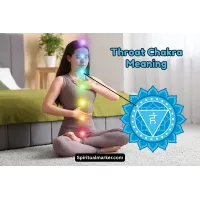
Throat: "What have I not said?"
The throat center is expression and truth. An unsaid sentence has weight; many people find this center the most honest one in the whole scan.
Third eye: "When did I last see clearly?"
The brow center is perspective and intuition. A weak reading feels like fog, reactivity, decisions made by momentum instead of insight.
Crown: "Do I feel connected to anything larger?"
The crown center is meaning. Even the most grounded person needs this connection, and its absence tends to masquerade as busy-ness.
After the Scan: Pick One, Act Small
Choose the single weakest center and give it one small, concrete act before the day ends. Ground the root with bare feet on actual ground or a tidied hallway. Feed the sacral with twenty minutes of unproductive creative play. Rebuild the solar plexus by naming what you actually want in one situation. Open the heart with a note of thanks. Tend the throat by saying the true thing kindly. Clear the third eye with five minutes of stillness before deciding. Touch the crown with time in nature or a moment of gratitude.
One center, one act, one day. The scan prevents small imbalances from compounding into large ones, which is the whole point of checking in at all.
If you like pairing the scan with a physical anchor, the stones and pieces at RedKnotr are chosen with these seven centers in mind.
Frequently Asked Questions
Do I have to believe in chakras for the check-in to work?
No. Many people use the system purely as a structured self-reflection framework, a checklist for body, heart and mind. The value comes from the attention, not the metaphysics.
How often should I do the two-minute scan?
Daily attention works best, like tuning before each performance. A morning scan sets the day; a midday scan catches drift before it hardens. Weekly is the minimum rhythm most practitioners suggest.
Can a chakra practice replace therapy or medical care?
No. Spiritual practice can complement wellbeing but should never replace appropriate professional care. Persistent physical symptoms, overwhelming anxiety or depression deserve a qualified professional, and the chakra map is a lens for reflection, not a diagnostic tool.
Which crystals pair with each center?
Common tradition pairs red jasper or black tourmaline with the root, carnelian with the sacral, citrine with the solar plexus, rose quartz with the heart, blue lace agate with the throat, amethyst with the third eye and clear quartz with the crown. Practitioners say personal resonance matters more than any standard list.
Tags: chakra check-in, seven chakras, chakra balance, daily practice
Related Pieces
View All →





This content is copyrighted by its original authors. In case of any infringement, please contact us for removal.
Comments
Write a comment