The Stone in the Side Pocket: A Threshold Ritual for Travelling With Crystals (October 2026)
By RedKnotr Editorial - 26/09/2026 - 0 comments
Travel has a way of scattering a person. Routines dissolve, sleep shifts, and the nervous system spends a whole day processing unfamiliar airports, accents and beds. It is precisely in this loosened state that a small, familiar object does its quiet work. Carrying a stone on a journey is one of the oldest continuous practices in human life, older than nearly every modern religion, and it survives not because of what stones claim to do but because marking a passage with a physical object meets a real human need.
A Tradition Older Than the Passport
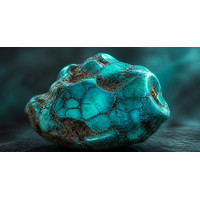
The record is remarkably consistent across cultures. Phoenician sailors carried aquamarine amulets for sea passage, a stone whose name literally means sea water. Persian, Tibetan and European traditions all specifically link turquoise to journey protection; Persian riders attached it to harnesses, Tibetans wore it on Himalayan crossings. Medieval pilgrims carried small relics. Moonstone earned a reputation as the classical pilgrim's companion for travellers who knew they would return changed.
Tradition holds these stones protected the traveller. A modern reader is free to take that literally or lightly; either way, the gesture of marking a journey with a physical object is one of the oldest ways humans have travelled well.
Choose One Stone by Need, Not Reputation
The practical question comes before any crystal list: what do I actually need on this particular journey? Practitioners suggest matching the stone to the gap.
Three useful questions before packing
- What unsettles me about this trip? For the specific unease of transition, tradition favours black tourmaline or smoky quartz for grounding. For calm in crowds and long flights, amethyst is the classical pick.
- Do I want a cue I can touch, or one I can wear? A flat tumbled stone in a pocket invites the hand; a bracelet or pendant works continuously and cannot be left in a hotel room.
- Can my bag survive this stone? Selenite and malachite are soft and water-sensitive; rough journeys ask for hard, smooth stones that will not chip in transit.
One stone is genuinely enough. Elaborate travel crystal kits mostly add weight and decisions, and the point of the practice is focus, not inventory.
The Threshold Ritual: Door, Security, Windowsill, Return
What makes a travel stone powerful in practice is sequence. Anthropologists call sequences like this threshold ritual: small physical gestures that mark a passage, giving the mind a hinge to swing on. The classic version has four touchpoints.
- At the door before leaving. Hold the stone briefly and name the journey's intention in one plain sentence: I move through this calmly, or simply, I am going, and I will come back.
- At the friction point. Security lines, turbulence, the moment the train leaves. Touch the stone and lengthen the exhale, four counts in, six counts out. The stone is a cue; the breath is the mechanism.
- At arrival. Place the stone on the windowsill of wherever you are staying. It marks the room as yours for now, a small act of settling that many people find steadier than any superstition.
- On return. Pick the stone up deliberately as you leave, and give it a simple cleanse when home, a dry cloth, a night beside a piece of clear quartz, or sound if you prefer. The ritual closes the loop so the next journey starts clean.
Buying a Stone at Your Destination
Perhaps the most rewarding version of the practice goes the other direction: instead of carrying a stone to a place, bring a stone back from it. A small specimen native to the region, from a local mineralogy shop, a museum gift shop in a mining area, or a small market in geological country, carries the place in a way a fridge magnet never does. Airport souvenir stalls mostly sell imported stock and are best skipped. Over the years, a shelf of journey stones becomes a private map of everywhere you have stood.
Crystal work at its best is honest work: the stone is cultural ritual and personal anchor, not travel insurance. If you are looking for a first travel companion, the tumbled pieces and pendants at RedKnotr are made to be carried.
Frequently Asked Questions
Can I take crystals in carry-on luggage?
Yes. Common stones are not restricted items, and small tumbled pieces pass security without trouble. Large clusters may be inspected but are allowed; smooth, palm-sized pieces cause the least friction.
Which stone has the strongest travel tradition?
Turquoise, across Persian, Tibetan, Native American and European traditions alike, is the most consistently documented travel stone on record. Aquamarine belongs to sea journeys and moonstone to pilgrimage.
How many crystals should I actually pack?
One to three. A grounding stone for transit, a calming stone for nights in unfamiliar rooms, and optionally an uplifting stone for jet-lagged mornings covers nearly every need without turning the pouch into luggage of its own.
How do I cleanse a travel stone afterwards?
Simple methods suit travel stones: a dry cloth wipe, resting it on clear quartz overnight, or sound. Avoid salt water for soft or water-sensitive stones such as malachite and selenite, and check hardness before any wet cleansing.
Tags: travel crystals, threshold ritual, turquoise, pocket stones
Related Pieces
View All →




This content is copyrighted by its original authors. In case of any infringement, please contact us for removal.
Comments
Write a comment